
One-Person-Assist Transfers: A New Approach to Safe Patient Handling
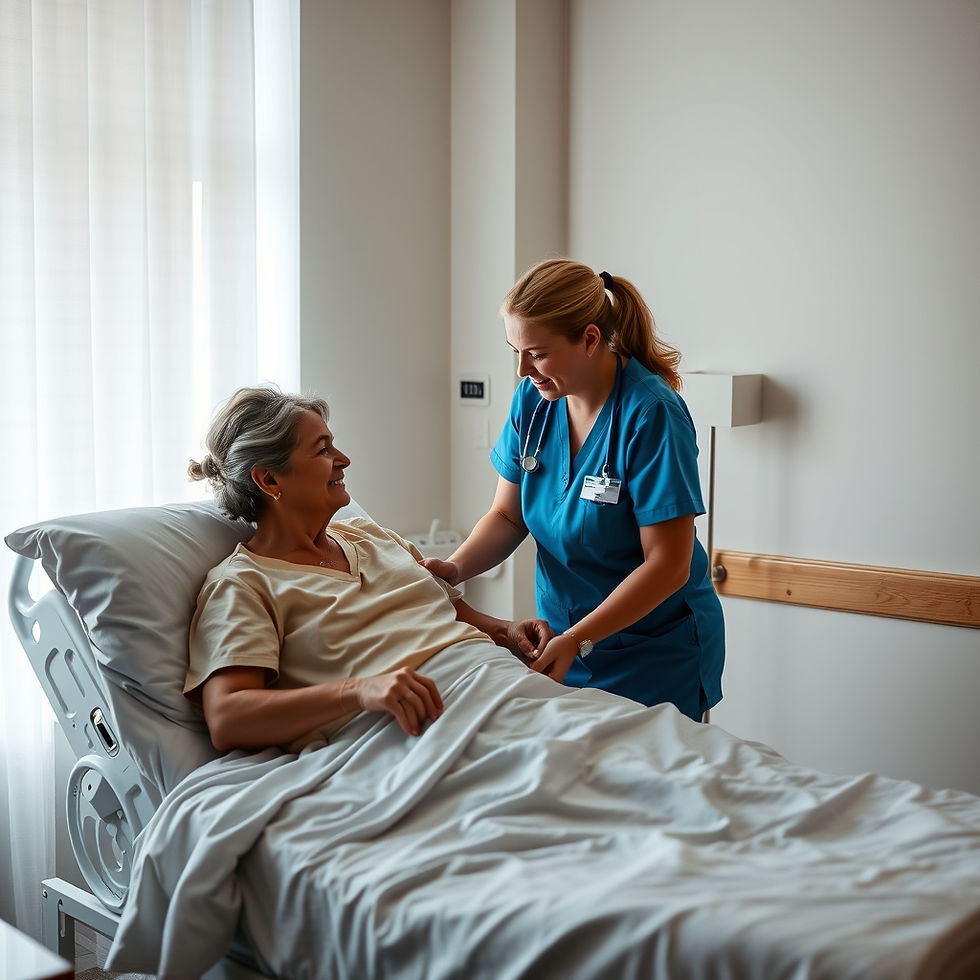
Human assistance is by far the most common way for people with disabilities to perform activities of daily living. Family or professional caretakers assist individuals with dressing, cooking, eating, toileting, bathing, and other tasks.
Caretakers can live with a disabled individual permanently or visit them several times per day. To help a disabled person move from bed to a wheelchair or commode chair, caregivers often lift them manually. This transfer method exposes both parties to mechanical injury and fall risk.
In fact, Certified Nursing Assistants – professional caregivers typically involved in patient transfer - are highly susceptible to work-related injuries. They have been found to have the highest incidence of work-related injuries and illnesses compared to other occupations, including those in the construction and manufacturing industry.
This method of patient transfer appears simple, as it requires few devices or tools, but the underlying risk, particularly when employed over long periods of time, can expose a hazardous side to the process.
The alternative to “heavy lifting” is using mobility assistive devices. They can help to diminish the physical difficulty of transfer and come in a variety of shapes and sizes.
“The demand for this equipment is growing. The global patient transfer device market was valued at $4.92 billion in 2022. It is projected to grow at a 9.4% annual rate starting in 2025, driven by an aging population and an increase in chronic conditions affecting mobility.
By 2030, one in six people worldwide will be over the age of 60, underscoring the increasing importance of these assistive technologies in modern care,” (3)
But for many of these devices, the transfer process can be unwieldy. Caregivers frequently perform a long set of actions that can take up to 20 minutes per transfer. And the use of many of these devices require multiple caregivers to safely perform the transfer.
We are living in a time with a severe caregiver shortage. In the period between 2015-2025, the number of adults caring for family members with complex medical needs increased by nearly 50% (1).
Many factors are contributing to this caregiver shortage, including an aging population, low salaries and perceived respect for professional caregivers, and inadequate Medicaid funding to cover society’s caregiving needs in this chapter of history (2).
With such a growing demand for care assistance and such a lacking supply of care, the need for single-provider transfer, or even independent transfer, has never been so important.
At ReviMo, we are building a unique solution. One that addresses the concerns around time, heavy lifting, and independence all in one. Our patient transfer device allows individuals to transfer from bed independently, so that they can go to the restroom, brush their teeth, eat meals, and transfer themselves with minimal or no caregiver assistance.
And based on the results of our sold-out waiting list, we’ve struck a chord.
We need to redefine the patient transfer process. A new approach to safe patient handling is already underway, and we are honored to be at the heart of it.
Refences:


Comments